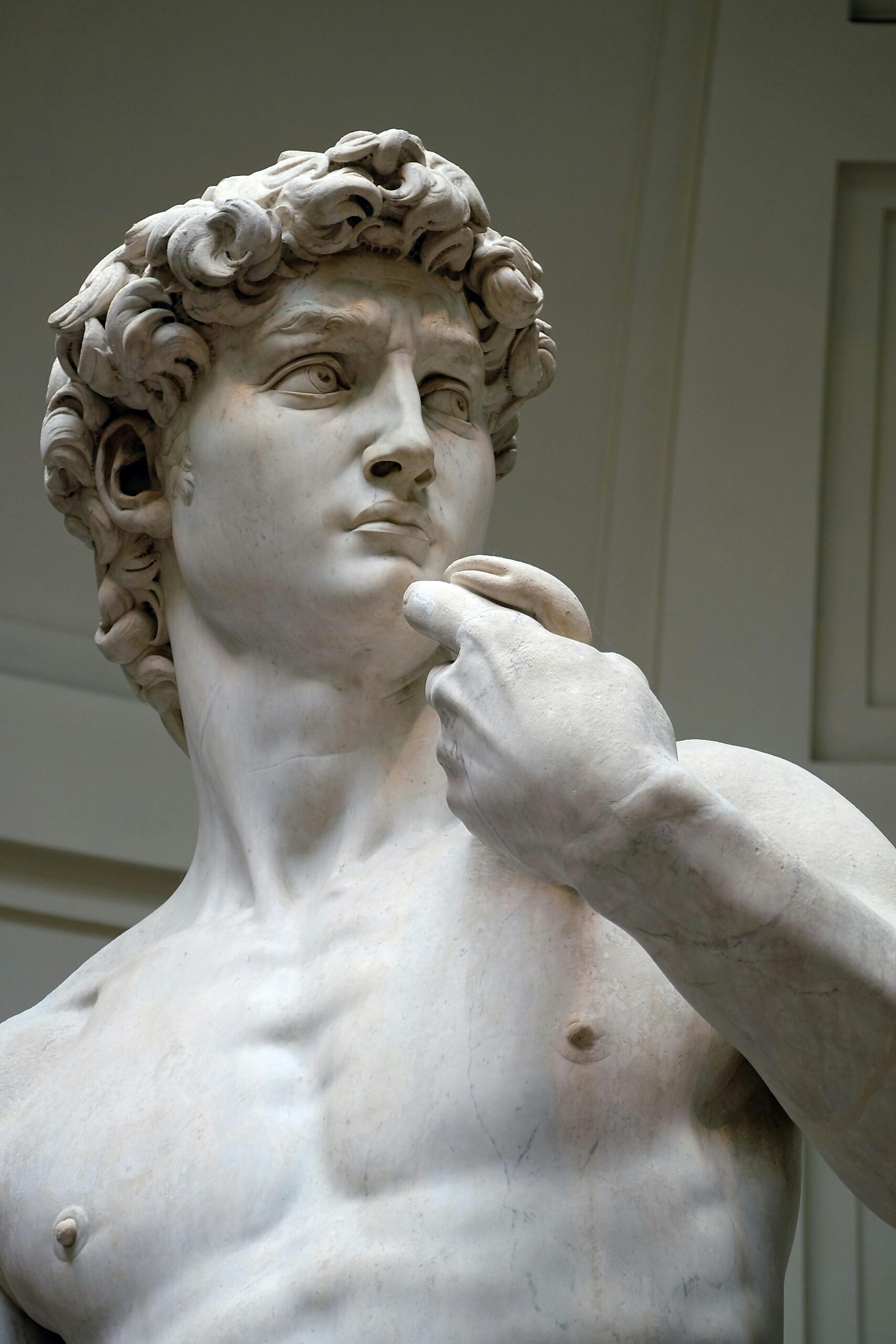
Imagine your students standing in front of Michelangelo’s David — not a photo of it, not a reproduction, but the real thing. The scale, the silence, the sheer audacity of it. That’s the kind of moment a school trip to Florence and Rome makes possible.
For students exploring art, design, architecture, or history, these two cities don’t just supplement the curriculum. They become it.
Florence: where the Renaissance never really ended
There’s a reason Florence is on every art lover’s list. Walk down almost any street and you’ll find something worth stopping for — a carved doorway, a perfectly proportioned facade, a fountain that somehow still looks exactly right after five hundred years.
The whole city hums with creative history, and students feel it from the moment they arrive.
The must-see stops (and why they matter)
- Uffizi Gallery — One of the world’s great art museums. Botticelli, Leonardo, Raphael — all here, in rooms you can actually stand inside and take your time.
- Galleria dell’Accademia — Michelangelo’s David is bigger than you expect. And more moving. Students rarely forget it.
- Palazzo Vecchio — A brilliant case study in how art, architecture, and political power have always been connected.
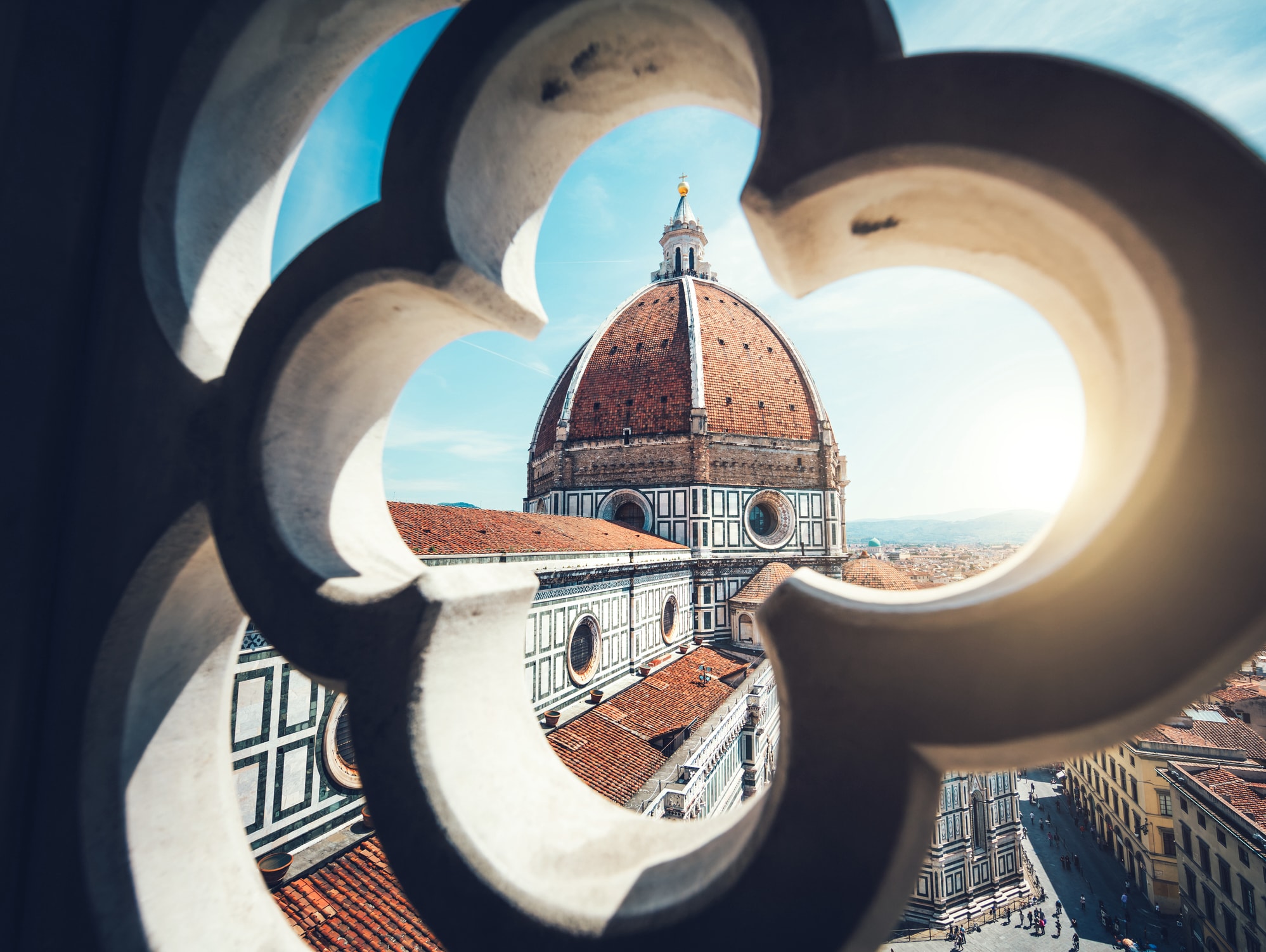
- Cathedral of Santa Maria del Fiore — Brunelleschi’s dome changed architecture forever. Standing beneath it, it’s easy to understand why.
- Accademia Italiana — A wonderful space for hands-on creative workshops, where students can try their own hand at the techniques they’ve been admiring all day.
The city as classroom
What Florence does that no museum at home can replicate is this: it keeps teaching even when the visit is over. Walking back from lunch, students notice things — a proportion, a shadow, a pattern in the stonework. The learning doesn’t stop when the guided tour ends. That’s the magic of it.
Rome: two thousand years of art, all in one city
If Florence is a deep dive into one extraordinary era, Rome is something wilder. It’s a city where a Baroque fountain sits beside an ancient Roman temple, and both feel completely at home. For students, it’s a living lesson in how art evolves — how each generation responds to, borrows from, and pushes against what came before.
The highlights worth building the trip around
- Galleria Borghese — Intimate, unhurried, extraordinary. Bernini’s sculptures here are among the most astonishing things ever made by human hands.
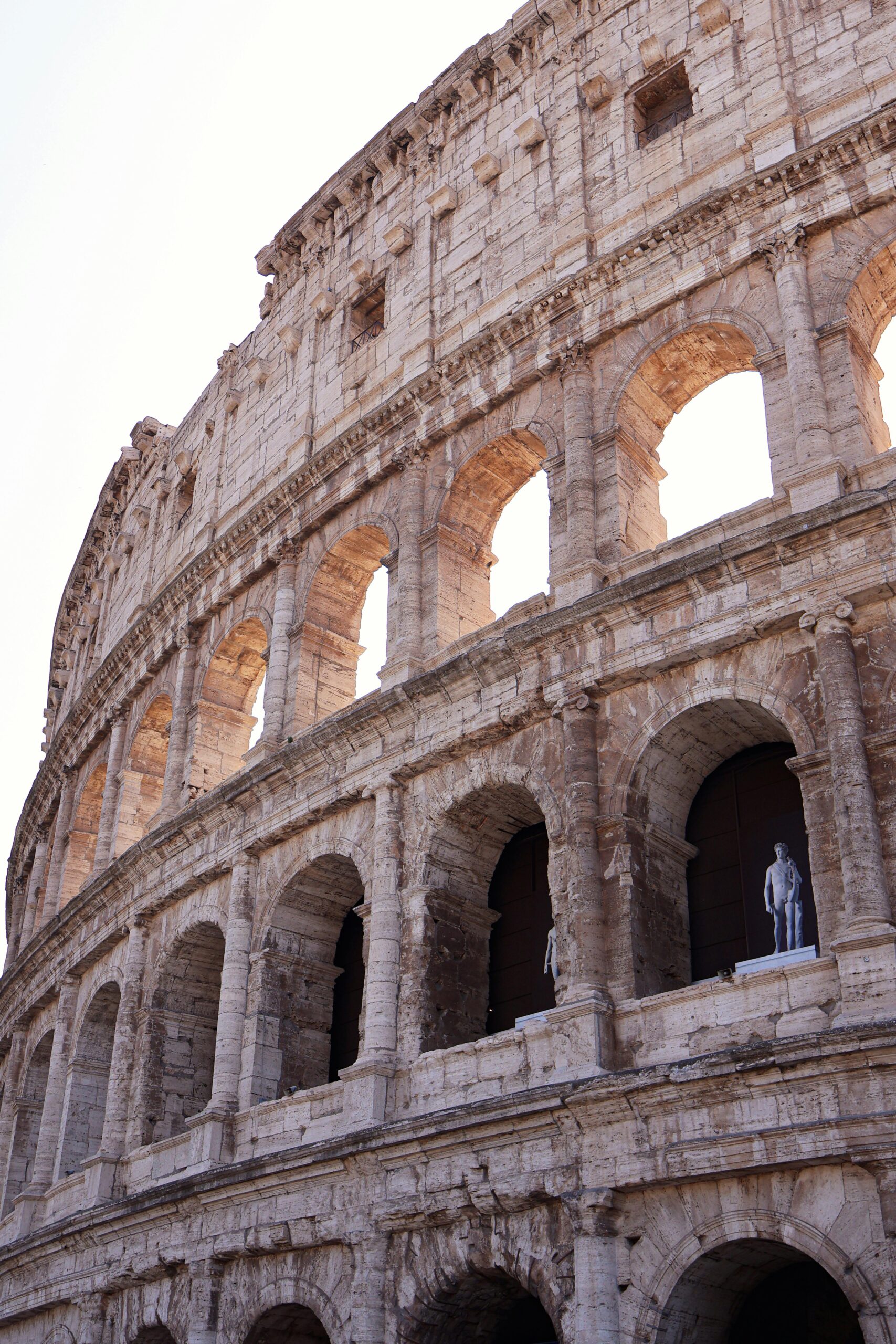
- The Colosseum — More than a ruin, it’s a masterclass in design, engineering, and how form follows function — even two thousand years on.
- Vatican Museums and the Sistine Chapel — There’s no preparing students for the Sistine Chapel ceiling. It simply has to be seen. The Vatican Museums surrounding it are a journey through centuries of artistic ambition.
What Rome does differently
Rome doesn’t confine art to galleries. It spills out onto every street, every piazza, every crumbling wall with a perfectly carved inscription. For design students especially, this is revelatory — a reminder that the best design has always been woven into daily life, not kept behind glass.
Beyond looking: creative workshops that bring it all together
There’s a real difference between admiring a Renaissance painting and picking up a brush and trying to understand how it was made. The best school trips build both into the experience.

Thoughtfully curated workshop options for both cities include:
- Sculpture sessions inspired by the Renaissance masters students have just been studying
- Painting workshops exploring light, color, and perspective in practice
- Urban sketching in the streets and piazzas — one of the most popular activities, and rightly so
- Design projects that connect classical visual principles to contemporary digital tools
Partners like The Florence Studio and LOFOIO make it possible to tailor these experiences around specific learning goals, age groups, and curriculum needs. The result is a trip that doesn’t just inspire — it actively deepens students’ skills and understanding.
Which city is better for an art and design school trip?
It’s a fair question — and the answer is both, ideally together.
Florence is focused, walkable, and extraordinarily concentrated in its artistic heritage. It’s ideal for an immersive deep dive into the Renaissance.
Rome is expansive, layered, and full of surprises. It gives students a broader sweep of art history — from antiquity to the Baroque — and an unmatched sense of how ideas travel across centuries.
A combined itinerary of five to seven days gives each city the time it deserves, without ever feeling rushed. And the contrast between them is itself part of the learning.
A word on the practical side
For teachers organising international school trips, the cultural vision and the logistics need to work equally well. Meaningful experiences and safe, well-organised ones are not in tension — they go hand in hand.
When every element is carefully designed in advance — transport, accommodation, site access, workshop scheduling, contingency planning — teachers can focus on being present with their students, rather than managing the moving parts. That’s how a trip becomes truly memorable, for everyone.
The short answer, for anyone still deciding
Florence and Rome are, quite simply, the finest destinations in Europe for school groups exploring art and design. The works are real. The streets are extraordinary. And the effect on students — the curiosity it awakens, the confidence it builds, the memories it creates — lasts long after the trip is over.
If you’re thinking about bringing your students here, we’d love to help you design something that fits your school’s goals perfectly. Get in touch — we’re always glad to share ideas.


