Ask any student who has been to Paris what they remember most, and they’ll rarely mention the exact painting or the precise date carved above a doorway. They’ll remember the feeling. The moment they saw the Eiffel Tower for the very first time. The view from Montmartre at dusk. That brief, glorious moment at the Grévin wax museum of imagining themselves playing alongside Ronaldo.
That’s what Paris does. It doesn’t just teach — it leaves an impression.
For teachers organising a school trip to Paris, the real challenge isn’t finding things to visit. It’s choosing the ones that will actually resonate. Here are the eight places that, time and again, make the deepest mark on students — and a few thoughts on why each one is worth the time.
The 8 best places for a school trip to Paris — at a glance
For teachers planning an itinerary, here’s the short version:
- The Louvre — the world’s greatest art museum, full stop
- The Eiffel Tower — more than a photo opportunity, a lesson in engineering and boldness
- Musée Grévin — wax figures, pop culture, and a surprisingly good time
- Notre-Dame Cathedral — a Gothic masterpiece, and a story of remarkable resilience
- The Palace of Versailles — grandeur, power, and the seeds of revolution
- Montmartre — art, atmosphere, and the whole city spread out below
- Jardin du Luxembourg — nature in the heart of the city
- Disneyland Paris — a touch of magic
Each one offers something a classroom simply can’t. Here’s the detail.
The 8 places, up close
1. The Louvre
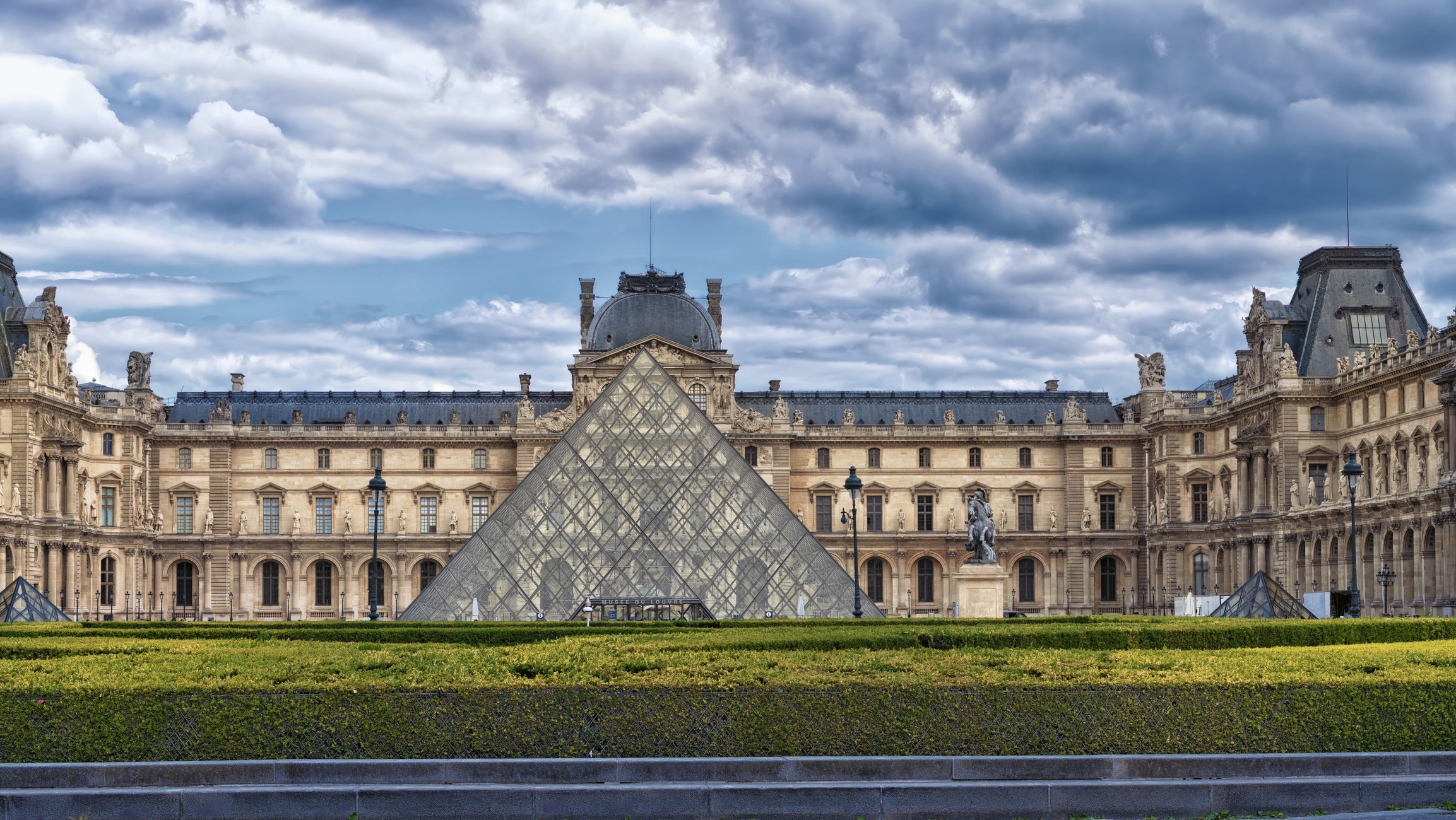
The Louvre is enormous — and that’s part of the point. With over 35,000 works across three wings, it holds entire civilisations within its walls: ancient Egypt, classical Greece, the Italian Renaissance, Dutch Golden Age painting. Students who arrive expecting to tick off the Mona Lisa often leave talking about something they stumbled upon entirely by chance. The trick is not to try to see everything. A focused visit — one or two collections, properly explored — tends to stay with students far longer than a breathless lap of the highlights. Less is genuinely more, here.
2. The Eiffel Tower
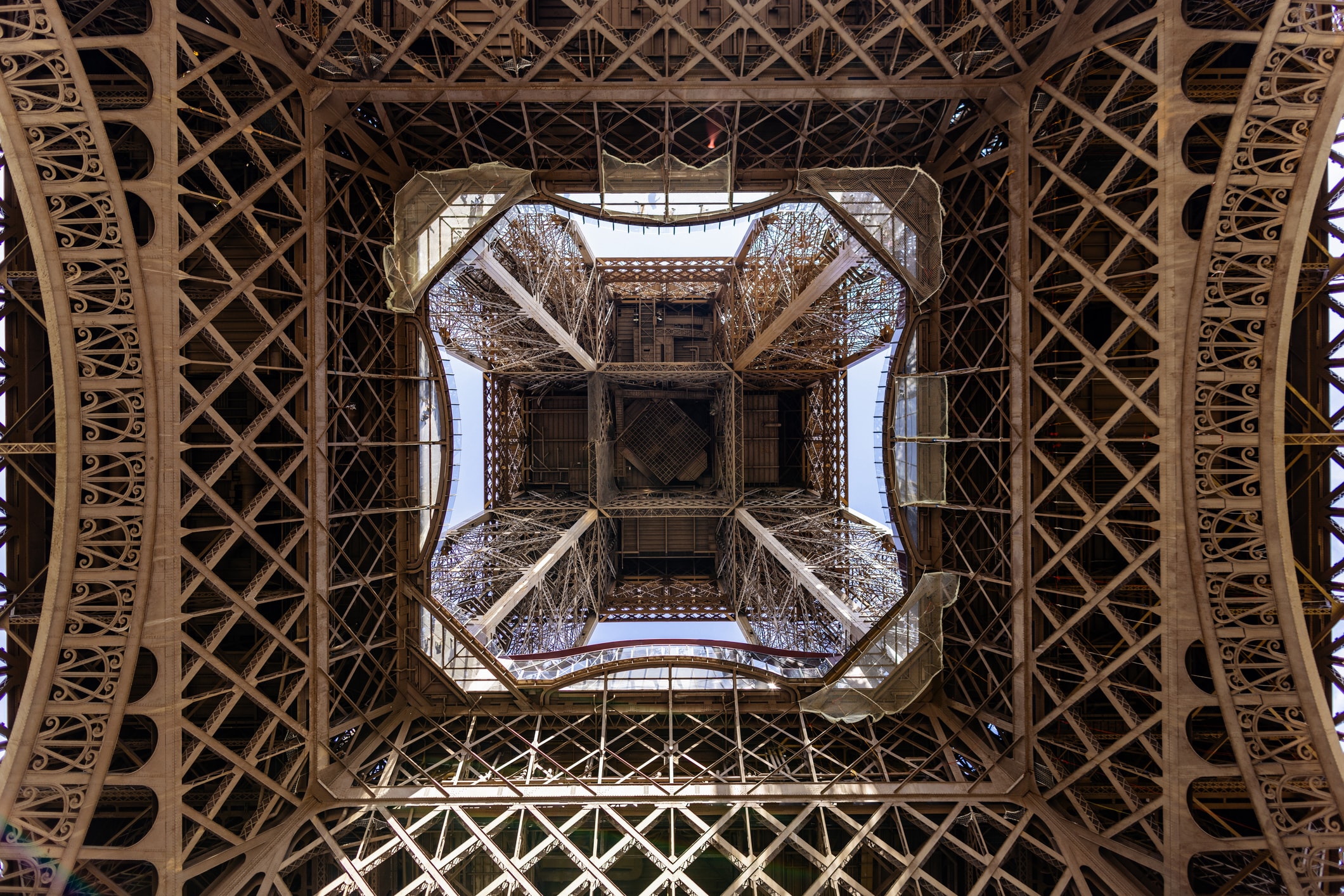
It’s tempting to treat the Eiffel Tower as a backdrop. But the story behind it is genuinely gripping. Designed by Gustave Eiffel for the 1889 World’s Fair, it was considered an eyesore by many Parisians and was nearly demolished after twenty years. Today, it is one of the most visited structures on Earth. For students, it’s a compelling case study in vision, controversy, and the long game of public opinion — and the view from the top, of course, doesn’t hurt either. Few things remind you that you’re in Paris quite as effectively as standing on the second floor with the city spread out in every direction.
3. Musée Grévin
The Grévin is not a museum in the traditional sense, and that’s exactly why students love it. Paris’s historic wax museum, opened in 1882, brings together everyone from historical figures to contemporary icons — athletes, musicians, world leaders — in startlingly lifelike form. It’s fun, it’s sociable, and it gives students something to talk about that has nothing to do with dates or dynasties. It also, for what it’s worth, makes a genuinely good photograph. On a long trip, a visit to the Grévin is a welcome change of pace — and often one of the moments students mention first when they get home.
4. Notre-Dame Cathedral

After the fire of 2019 and a years-long restoration, Notre-Dame has reopened — and it may be more interesting to visit now than at any point in recent memory. Students encounter both the extraordinary achievement of the original 12th-century builders and the ambition of the contemporary restoration effort. The flying buttresses, the rose windows, the sheer scale of the nave — it’s a building that rewards slow looking. And the question it naturally raises — why do we work so hard to preserve the things we love? — tends to spark some of the best conversations of the trip.
5. The Palace of Versailles
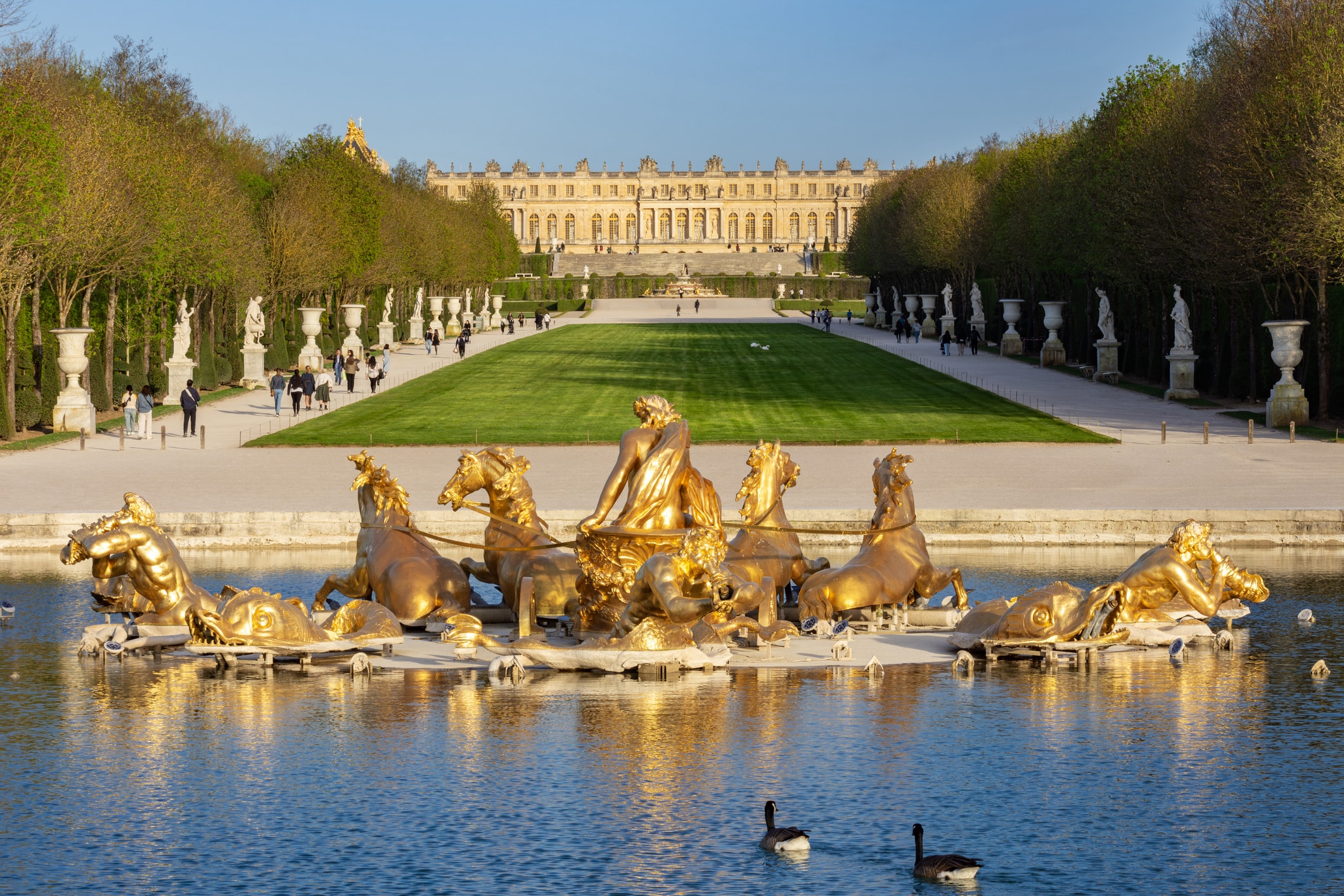
Versailles isn’t subtle. That was entirely the intention. Louis XIV built it to be overwhelming — a palace so extravagant, so relentlessly gilded, that no visiting dignitary could doubt for a moment where power resided in France. For history students, it is essential context for everything that followed: the French Revolution, the collapse of absolute monarchy, the idea that a king could simply be removed. The Hall of Mirrors, the Royal Chapel, the gardens stretching to the horizon — give students time to simply walk and absorb. The scale does much of the teaching on its own.
6. Montmartre
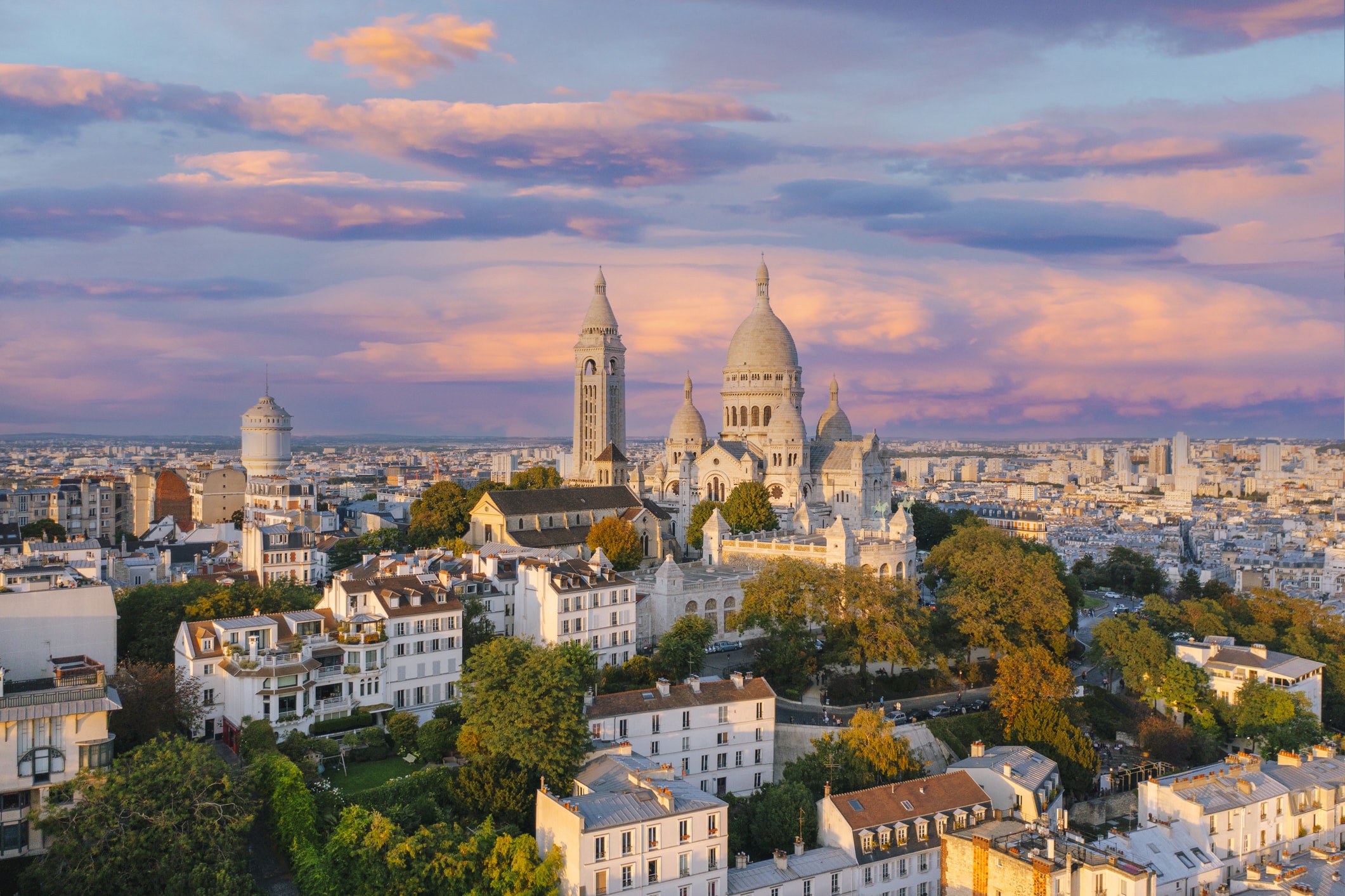
Montmartre sits above the rest of Paris — literally and, in many ways, atmospherically. The neighbourhood where Renoir, Toulouse-Lautrec, and a young Picasso all lived and worked retains a character quite distinct from the rest of the city: winding cobbled lanes, artists’ studios, the white dome of Sacré-Coeur rising at the top of the hill. From the steps of the basilica, the view over Paris is one of the finest in the city. For students who have visited the Louvre or the Musée d’Orsay earlier in the trip, walking through Montmartre brings the context of those works to life in a way that deepens everything they’ve already seen.
7. Jardin du Luxembourg
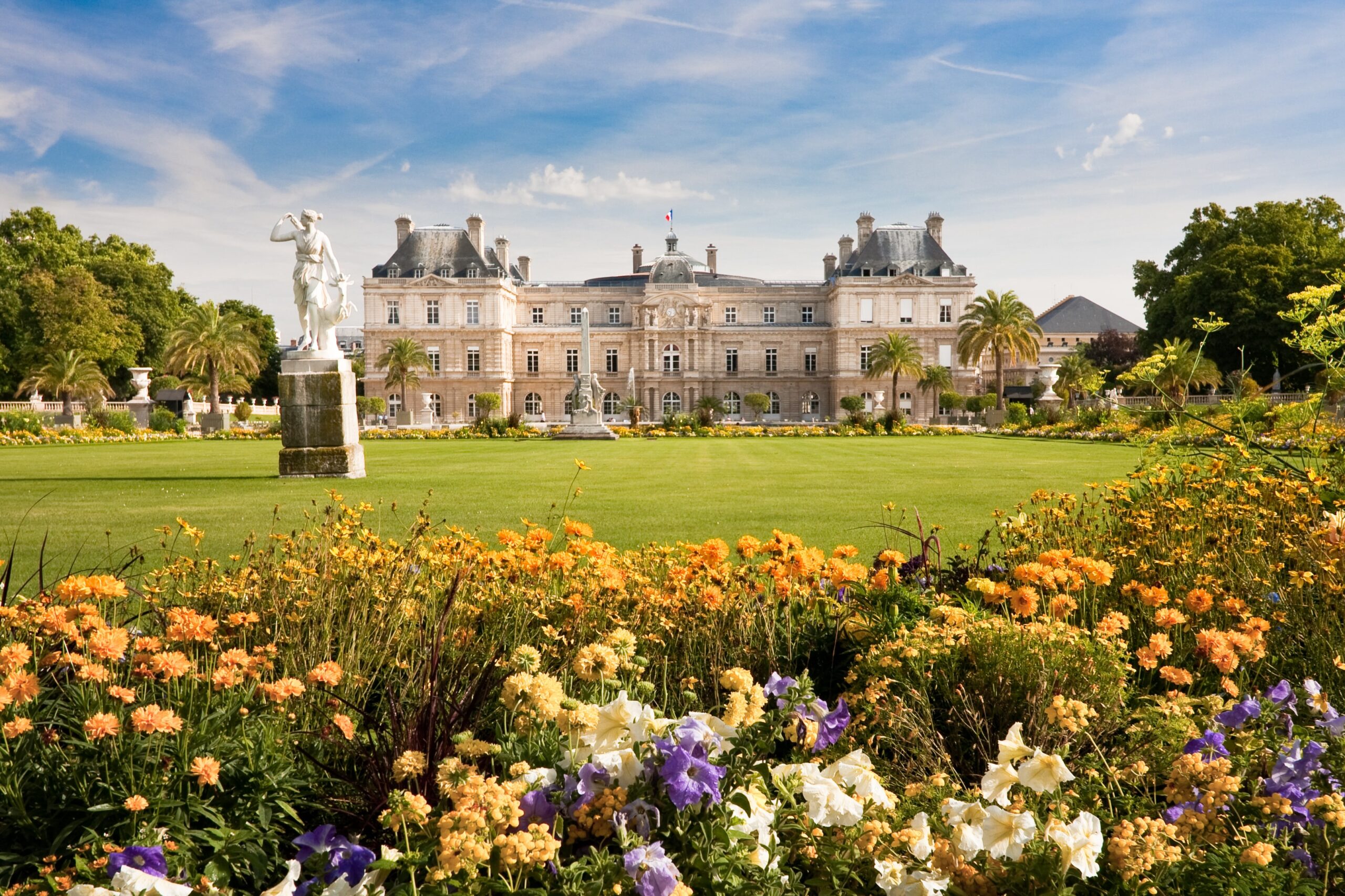
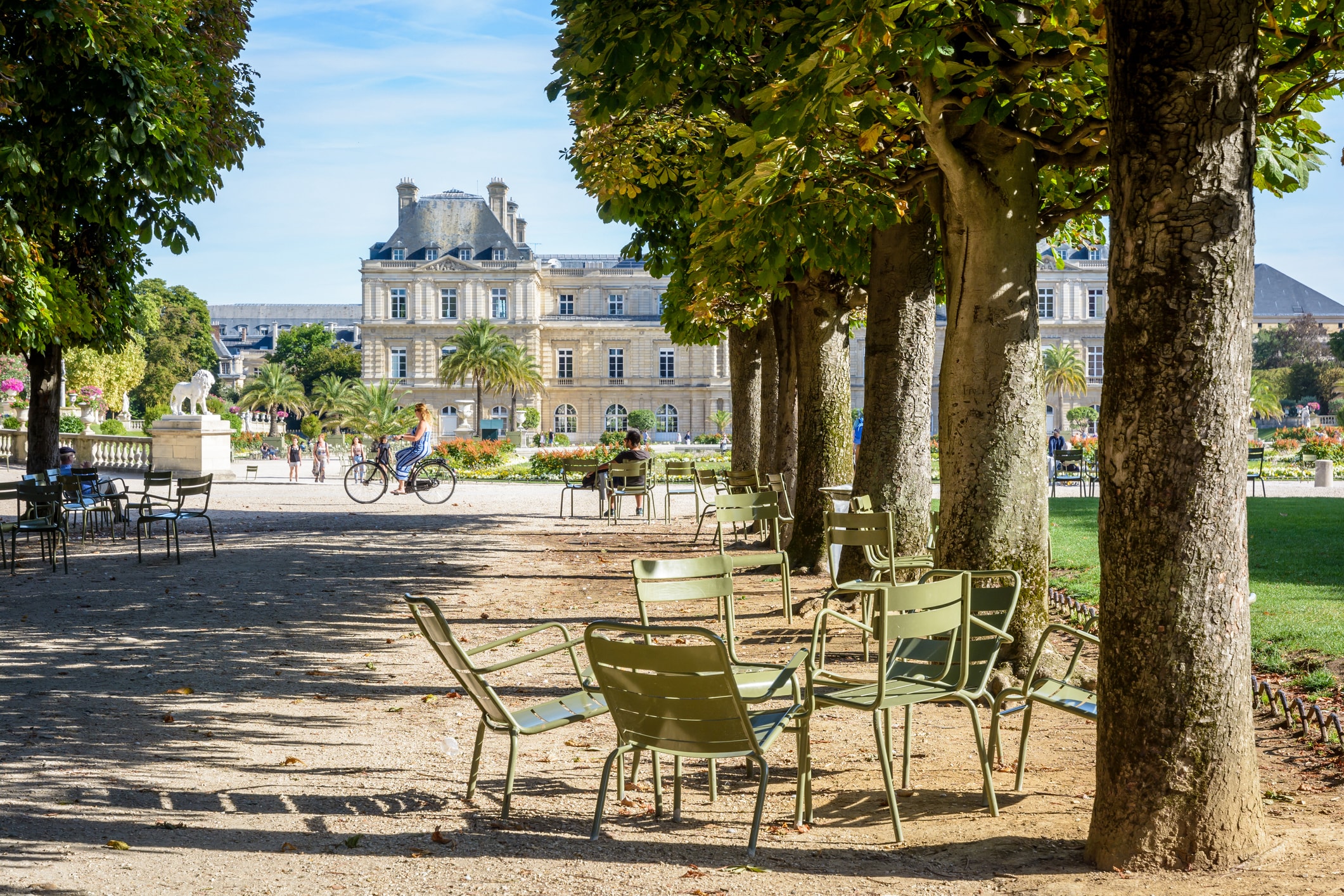
Not every meaningful moment on a school trip happens indoors. The Jardin du Luxembourg — one of Paris’s most beloved green spaces, tucked between Saint-Germain and the Latin Quarter — offers something the museums cannot: room to breathe. Students can wander beneath chestnut trees, sit by the famous octagonal pond, and take in the quiet rhythms of Parisian life at its most unhurried. It’s a natural pause in the middle of a busy itinerary, and often the place where the best conversations happen. Sometimes the most educational thing a trip can offer is simply time and space to reflect.
8. Disneyland Paris
Not every stop on a school trip needs to be a lesson — and Disneyland Paris is a reminder of that. After days of museums, cathedrals, and palaces, a day at Disneyland gives students something equally important: the chance to simply enjoy themselves, together. It’s also, if you look at it the right way, a fascinating study in storytelling, design, and the architecture of experience — a theme park built entirely around the idea of making people feel something. But honestly? Students don’t need that framing. They just need the day. It tends to be one of the highlights of the trip, and a very good note on which to end.
Putting it all together
The best Paris school trips are built around rhythm as much as content. Two or three meaningful visits a day, with time to walk, talk, and simply be in the city — that tends to produce far more than five rushed stops with no room to breathe.
Pairing visits thoughtfully makes a real difference. The Louvre in the morning and a walk through the Latin Quarter in the afternoon creates a natural conversation between the ancient and the contemporary. Versailles deserves a full day on its own. And Disneyland, placed at the end of the trip, gives students something to look forward to — which, it turns out, is good for the atmosphere throughout.
When the itinerary is designed around what students are meant to feel and take away, rather than a checklist of must-sees, Paris delivers something genuinely lasting.
A note on planning and safety
Paris is a well-organised city for school groups, but the logistics require careful advance planning. Group access to the Louvre, Versailles, and Notre-Dame should be booked well ahead. Disneyland Paris offers dedicated school group packages worth exploring early in the planning process.
Working with a specialist educational travel partner means every practical element — transport, accommodation, site scheduling, contingency planning — is handled with schools specifically in mind. Teachers can focus entirely on being present with their students, rather than managing the details in a foreign city.
Why Paris stays with students
Paris is one of those cities that has something for every kind of learner. The student who loves art finds it on every corner. The one who loves history can barely turn a street without encountering it. And the student who isn’t sure yet what they love often discovers something here that surprises them entirely.
A school trip to Paris, when it is thoughtfully put together and well-organised, isn’t just a week away from school. It’s one of those experiences students carry forward — into how they see the world, how they think about beauty and history, and what they believe is worth their attention.
If you’re thinking about bringing your students to Paris, we’d be glad to help design a programme that fits your school’s goals — not a generic itinerary, but something built around what your students genuinely need to take away.
Internal linking suggestions
- School trips to Florence and Rome — ideal companion article for schools planning a broader European arts and history itinerary
- School trips to London — another world-class cultural capital, often paired with Paris in a dual-city programme
- How we plan school trips — an overview of Voyages Lutécia’s approach to planning, safety, and tailored itineraries